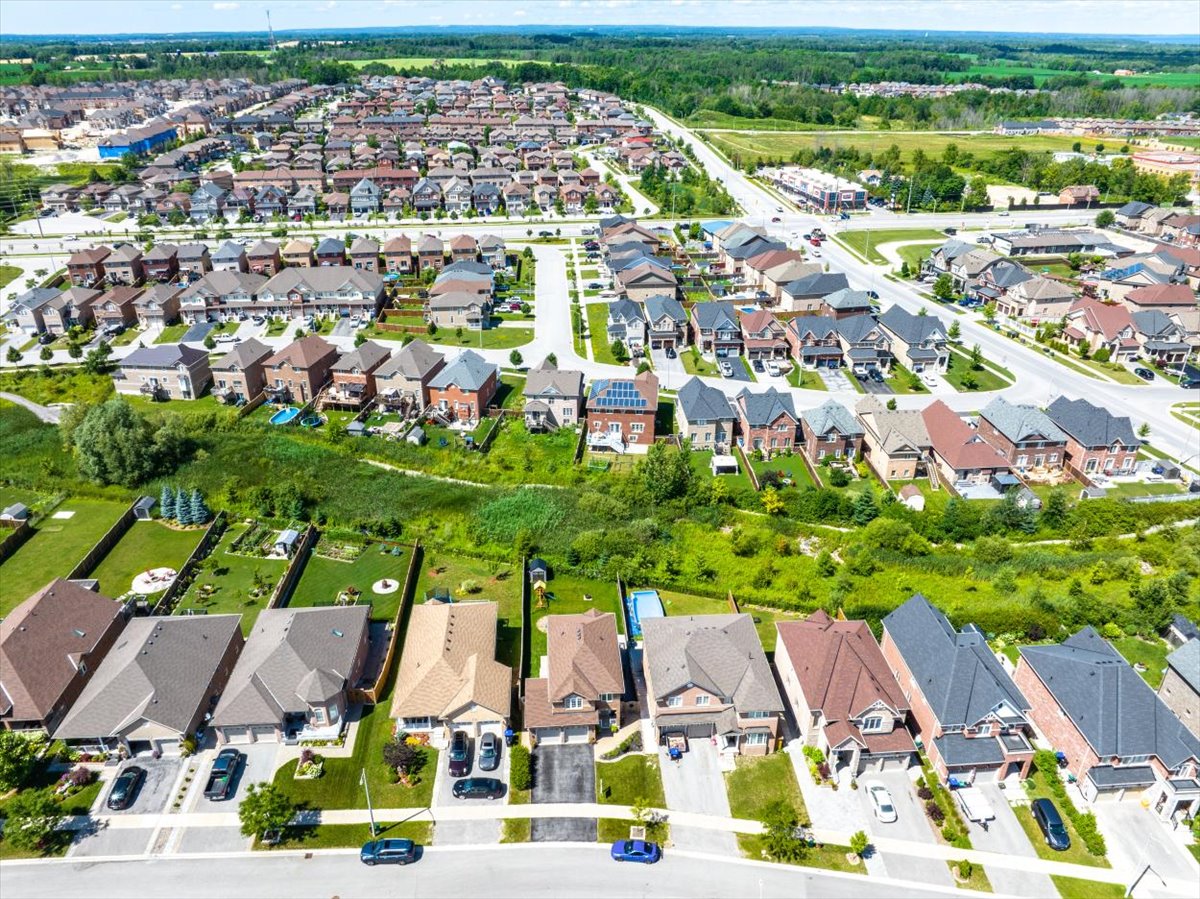
🏘️ Rentals in Innisfil
What Tenants and Investors Should Know
📊 Overview of the Rental Market
Innisfil has a limited but growing supply of rentals: basement apartments, upper/lower units in detached homes, townhomes, condos (including Friday Harbour), and a few purpose-built apartments.
As of late 2024–2025 data, typical advertised monthly rents cluster around the low-to-mid-$2,000s, with many family-sized homes higher due to strong demand and low inventory.
Whether you’re a family looking for a detached home to rent near great schools, or an investor weighing long-term vs. short-term rental strategies in Innisfil, local rental stock is limited and the rules are evolving. A tailored search, up-to-date by-law knowledge, and careful screening are essential to getting this right.
💰 Typical Rent Prices
Recent market research shows:
1-bedroom units averaging roughly $1,800–2,000 per month, depending on age, location, and utilities.
2-bedroom units around $2,000–2,400 per month, with townhomes or newer condos (e.g., Friday Harbour) often at the higher end.
3- and 4-bedroom houses commonly in the $2,500–3,500+ range, especially for newer detached homes in Alcona, Stroud, or lake-proximate neighbourhoods.
📈 Aggregated Platforms Report:
An overall median rent for all bedroom counts and property types in Innisfil in the low-to-mid-$2,000s, above the Canadian national average.
Average advertised asking rent around the high-$2,000s when you blend all active listings, reflecting the dominance of full houses and larger units in the local mix.
Expect Innisfil rents to sit roughly in the low-$2,000s for smaller units and well into the high-$2,000s or more for full family homes, depending on age, size, and location.
📍 Where People Rent in Innisfil
🏙️ Alcona and Central Innisfil
Highest concentration of rentals: basement apartments, upper units, and whole-house rentals close to schools, shopping, and Innisfil Beach Road.
🌊 Friday Harbour and Big Bay Point
Resort-style condos and townhomes, often rented furnished or semi-furnished, with premium pricing tied to amenities, views, and short- or medium-term demand.
🌳 Stroud, Lefroy, Cookstown and Rural Pockets
Scattered detached home rentals and in-law/secondary suites, attractive to families wanting quiet streets, more land, or proximity to Barrie or Highway 400.
👨👩👧 Who the Innisfil Rental Market Serves
🏠 Families and Upsizers
Many renters are families waiting to buy, relocating from the GTA, or needing a larger space (3–4 bedrooms, yard, parking) without committing to a purchase yet.
🚗 Commuters and Hybrid Workers
Tenants who commute to Barrie, Newmarket, Vaughan, or Toronto use Highway 400 and Barrie South GO, so units with easy access to those routes are in demand.
🌍 Newcomers to Canada and Simcoe County
Newcomer families often use rentals in Innisfil to get settled near services (library, YMCA, schools) while they build credit and explore whether to buy.
💼 Investors
Investors look at detached homes, townhomes, and resort condos, but typical gross yields can be modest (in the low single digits) compared to property values, so strategy and tenant quality matter.
🧾 Secondary Suites and Legal Considerations
Simcoe County and local municipalities encourage legal secondary suites but require proper zoning and permits; owners must confirm that their property is zoned for a secondary or garden suite or obtain a building permit.
County funding programs for secondary suites specify that the property must be in a residential zone and cannot be turned into a boarding/rooming house or multiplex through that funding stream.
🔗 https://simcoe.ca/wp-content/uploads/2024/01/Application-Package-Secondary-Suites-2023-2024-fillable.pdf
The Town of Innisfil has studied short-term accommodations (less than 28 nights) and has adopted zoning amendments and by-law enforcement tools to manage noise, parking, and other impacts; owners need to watch for municipal accommodation taxes and licensing changes if they plan STRs.
Always verify with the Town of Innisfil and Simcoe County whether a unit is a legal secondary suite or short-term rental—this affects safety, insurance, financing, and resale value.
✅ Tips for Renters
⏰ Start early: Inventory is limited and well-priced homes move quickly, especially 3- and 4-bedroom units.
💡 Budget for utilities: Many listings in detached homes list rent as “plus utilities,” which can add several hundred dollars per month depending on size and season.
🔗 https://www.zumper.com/rent-research/innisfil-on
🗺️ Check commute and transit: Map your daily drive to Barrie South GO or your workplace; renters often underestimate winter and rush-hour travel times.
🧑⚖️ Confirm legality and condition: Ask about permits for secondary suites, separate entrances, parking, and whether the landlord is following local by-laws.
🔍 What This Means If You’re Thinking of Renting or Investing
For renters: Limited inventory means you need to start early, be prepared with documents, and stay flexible on timing, location, or utilities to secure the right home.
For investors: Strong demand supports rental stability, but pricing, tenant quality, and legal compliance matter more than ever in a market with modest yields and evolving by-laws.
For both: Understanding local neighbourhoods, zoning rules, and realistic rent expectations can save time, money, and stress before making a move.
2026 Rent Increase Guidelines in Ontario 🇨🇦
In Ontario, the rent increase guideline for 2026 is set at 2.1%, meaning most landlords can only raise rent by up to 2.1% without special approval from the Landlord & Tenant Board. This cap applies to the majority of residential rental units occupied on or before November 15, 2018, including houses, apartments, condos and secondary suites — but newer units may be exempt and not subject to the guideline. Landlords must also provide at least 90 days written notice before the increase takes effect and can only increase rent once every 12 months.
💡 Want the full breakdown?
Check out my blog on 2026 rent increases in Ontario for how the guideline works, what exemptions exist, and rules around notices and above-guideline increases: